.png)

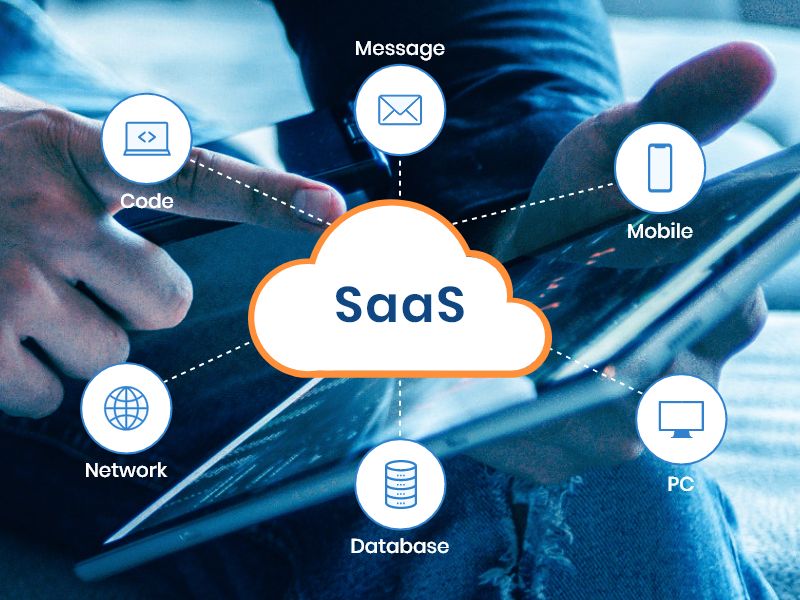
In the ever-evolving digital landscape, the concept of Software as a Service (SaaS) has emerged as a game-changing paradigm, transforming the way businesses access and utilize software applications. SaaS, a cloud-based delivery model, has revolutionized the software industry, offering a convenient and cost-effective alternative to traditional on-premise software solutions. This comprehensive guide will delve into the meaning, applications, and best SaaS platforms that are shaping the future of software consumption.
Key Takeaways
- SaaS is a cloud-based software delivery model where applications are hosted and managed by a service provider
- SaaS applications are accessed through the internet, enabling users to access them from any device with an internet connection
- SaaS platforms offer a wide range of applications, from enterprise resource planning (ERP) to customer relationship management (CRM) and collaboration tools
- The SaaS model provides cost-effective and scalable solutions, eliminating the need for on-premise infrastructure and software maintenance
- Prominent SaaS platforms like Salesforce, Microsoft 365, and Google Workspace have become industry leaders, offering a diverse range of business-critical solutions
Understanding SaaS: Software as a Service Fundamentals
In the ever-evolving landscape of technology, the concept of SaaS (Software as a Service) has emerged as a game-changer. SaaS is a cloud-based delivery model where software applications are hosted and managed by a provider, allowing users to access and utilize them through the internet. This innovative approach has transformed the way businesses and individuals consume and interact with software solutions.
Key Components of SaaS Architecture
The core components of SaaS architecture include a centralized, multi-tenant infrastructure, scalable and elastic computing resources, and a web-based interface for seamless user access. These elements enable SaaS companies to deliver their software applications efficiently, securely, and cost-effectively to a wide range of customers.
The Evolution from Traditional Software to SaaS
The transition from traditional on-premise software to SaaS solutions has been a significant shift in the software industry. Unlike the traditional model, where software is installed and maintained on individual computers, SaaS applications are hosted in the cloud, eliminating the need for local infrastructure and allowing for instant access from any internet-connected device.
Core Characteristics of SaaS Solutions
- Subscription-based pricing: SaaS companies typically offer their services on a subscription basis, allowing customers to pay for the software as they use it, rather than a one-time purchase.
- Automatic updates and maintenance: SaaS providers are responsible for maintaining and updating the software, ensuring that customers always have access to the latest features and security patches.
- Scalability and flexibility: SaaS solutions can easily scale up or down to meet the changing needs of businesses, providing a flexible and adaptable platform.
- Anytime, anywhere access: With cloud-based delivery, users can access SaaS applications from any device with an internet connection, enhancing collaboration and productivity.
These core characteristics of SaaS solutions have contributed to their widespread adoption, making them an increasingly popular choice for businesses of all sizes seeking efficient, cost-effective, and scalable software tools.
The Business Model Behind SaaS Platforms
The software-as-a-service (SaaS) business model has revolutionized the way companies deliver and consume software. Unlike traditional software that requires upfront license fees and on-premise installation, SaaS platforms offer a more flexible, subscription-based approach. SaaS providers typically charge a monthly or annual saas fee for access to their saas products, making it easier for businesses to budget and scale their saas b2b needs.
The SaaS model creates a mutually beneficial relationship between providers and customers. Customers can access the latest software functionality without the hassle of managing IT infrastructure, while SaaS companies generate recurring saas sales through their subscription-based revenue streams. This model allows SaaS providers to continuously invest in product development, ensuring their offerings remain up-to-date and competitive.
One of the key advantages of the SaaS business model is its scalability. SaaS platforms can easily accommodate fluctuations in user numbers, making them an attractive option for businesses of all sizes, from small startups to large enterprises. This scalability also enables SaaS providers to target a wider range of customers, expanding their saas b2b market reach.
Pricing strategies for SaaS products often revolve around factors such as user count, feature sets, and usage requirements. Some SaaS providers offer tiered pricing plans, allowing customers to select the plan that best fits their needs and budget. This flexibility helps SaaS companies cater to diverse customer segments and optimize their saas sales performance.
Overall, the SaaS business model has transformed the software industry, providing businesses with greater accessibility, scalability, and cost-effectiveness. As the demand for cloud-based solutions continues to grow, the SaaS market is expected to flourish, offering numerous opportunities for both providers and customers.
Benefits and Advantages of Using SaaS Solutions
The shift towards SaaS platforms has revolutionized the way businesses operate, offering a myriad of advantages that have made them an increasingly popular choice. From cost-effectiveness to enhanced collaboration, the benefits of adopting SaaS solutions are undeniable.
Cost-Effectiveness and Scalability
One of the primary advantages of SaaS platforms is their cost-effectiveness. By eliminating the need for upfront investments in hardware and software, businesses can enjoy a more predictable and manageable monthly or annual subscription fee. This allows for greater budgetary flexibility, enabling companies to scale their SaaS jobs and resources as their needs evolve.
Accessibility and Collaboration Features
The cloud-based nature of SaaS solutions ensures that employees can access critical applications and data anytime, anywhere, and from any device. This enhanced accessibility fosters seamless collaboration, allowing team members to work together more effectively, regardless of their physical location. SaaS white label offerings further empower businesses to tailor solutions to their unique needs, providing a personalized user experience.
Automatic Updates and Maintenance
With SaaS platforms, the burden of software updates and maintenance is entirely lifted from the user's shoulders. The service provider takes care of these tasks, ensuring that users always have access to the latest features and security patches, without the need for manual intervention. This frees up valuable time and resources, allowing businesses to focus on their core operations.
The advantages of SaaS solutions are truly compelling, making them an increasingly attractive choice for businesses of all sizes. By embracing the cost-savings, scalability, and collaborative power of these platforms, organizations can unlock new levels of efficiency and productivity, ultimately driving their success in the digital age.
Common Types of SaaS Applications in Modern Business
In the dynamic landscape of modern business, Software as a Service (SaaS) applications have become pivotal tools, revolutionizing the way organizations operate. These cloud-based solutions cater to a wide range of business functions, from marketing and sales to finance and human resources. Let's explore some of the most common SaaS applications that are transforming the way businesses work.
Marketing and Sales SaaS Applications
SaaS-based marketing and sales tools have revolutionized the way businesses attract, engage, and retain customers. Popular examples include customer relationship management (CRM) platforms, email marketing automation tools, and social media management solutions. These saas applications provide businesses with powerful insights into their customer base, enabling them to optimize their marketing strategies and drive sales growth.
Financial and Accounting SaaS Solutions
The financial and accounting aspects of a business are critical, and saas applications have stepped in to streamline these processes. Cloud-based accounting software, invoicing tools, and expense management platforms have become essential for businesses of all sizes, offering real-time financial insights and effortless collaboration.
Human Resources SaaS Platforms
Efficient human resource management is key to any successful business, and saas applications have transformed this domain. From applicant tracking systems to employee onboarding and performance management solutions, these cloud-based tools have simplified HR processes, enhanced employee engagement, and provided valuable saas metrics to optimize workforce management.
The SaaS Magic Number
As businesses increasingly embrace saas applications, the concept of the "SaaS magic number" has gained prominence. This metric, which measures the efficiency of a SaaS company's sales and marketing efforts, is a crucial indicator of a platform's long-term sustainability and growth potential. Saas marketing strategies that focus on optimizing this magic number can be instrumental in driving the success of SaaS businesses.
| SaaS Application Category | Examples | Key Benefits |
|---|---|---|
| Marketing and Sales | CRM, Email Marketing, Social Media Management | Improved customer insights, targeted marketing, and sales optimization |
| Financial and Accounting | Accounting Software, Invoicing Tools, Expense Management | Real-time financial visibility, streamlined processes, and effortless collaboration |
| Human Resources | Applicant Tracking, Onboarding, Performance Management | Enhanced employee experience, optimized workforce management, and valuable HR insights |
Popular SaaS Platforms and Their Use Cases
In the dynamic landscape of modern business, SaaS platforms have emerged as transformative tools, revolutionizing how organizations operate. These cloud-based software solutions offer a remarkable array of functionalities, catering to diverse business needs. Let's explore some of the most popular SaaS platforms and their impactful use cases.
Enterprise Resource Planning (ERP) Solutions
Robust SaaS ERP systems have become indispensable for enterprises seeking to streamline their operations. These platforms integrate core business processes, such as finance, supply chain management, and human resources, into a single, centralized platform. By leveraging the power of SaaS, businesses can access real-time data, automate workflows, and enhance cross-departmental collaboration, ultimately driving greater efficiency and profitability.
Customer Relationship Management (CRM) Tools
Delivering exceptional customer experiences is at the heart of modern business success, and SaaS CRM solutions are the linchpin. These platforms enable businesses to manage customer interactions, sales pipelines, and marketing campaigns with unparalleled precision. By consolidating customer data, automating routine tasks, and providing valuable insights, SaaS CRM tools empower organizations to build stronger, more personalized relationships with their clientele.
Project Management and Collaboration Platforms
In today's remote-friendly work environment, SaaS-based project management and collaboration platforms have become indispensable. These solutions facilitate seamless team coordination, task tracking, and real-time communication, enabling organizations to navigate complex projects with greater agility. Moreover, the integration of saas license management tools ensures efficient utilization of software licenses, optimizing saas funding and enhancing overall operational efficiency.
| SaaS Platform | Key Features | Notable Use Cases |
|---|---|---|
| Salesforce | - CRM - Sales automation - Marketing automation |
- Customer relationship management - Lead generation and nurturing - Customizable reporting and analytics |
| Zoom | - Video conferencing - Webinars and online events - Collaboration tools |
- Remote team communication - Virtual meetings and presentations - Webinar hosting and streaming |
| Asana | - Project management - Task tracking - Collaboration features |
- Agile project management - Cross-functional team coordination - Workflow automation |
As the saas management platform ecosystem continues to evolve, businesses of all sizes are embracing these transformative solutions to streamline operations, enhance customer relationships, and drive innovation. By carefully selecting the right SaaS platforms and leveraging their capabilities, organizations can unlock unprecedented levels of efficiency and competitiveness in today's dynamic marketplace.
Security Considerations in SaaS Implementation
As the use of SaaS solutions continues to grow, ensuring robust security measures is paramount. SaaS cyber security is a critical aspect that businesses must address when implementing cloud-based software. From protecting sensitive data to maintaining regulatory compliance, security is a top priority for any organization leveraging SaaS platforms.
One essential security consideration is data protection. SaaS providers are responsible for safeguarding the data stored and processed within their platforms. Businesses should carefully review the security protocols, encryption standards, and data backup solutions employed by their SaaS vendors to ensure the confidentiality and integrity of their information.
In addition to data protection, compliance with industry regulations and data privacy laws is a significant concern. SaaS solutions must adhere to relevant security standards, such as HIPAA, GDPR, or PCI-DSS, depending on the nature of the business and the data being managed. Thorough due diligence is essential to ensure that the SaaS provider's security measures align with the organization's compliance requirements.
To further enhance security, businesses should invest in a robust SaaS knowledge base that provides comprehensive information on security best practices, incident response protocols, and user training. This knowledge base can empower employees to become active participants in maintaining a secure SaaS environment.
Regular SaaS backup and disaster recovery planning are also crucial components of a comprehensive security strategy. By ensuring that data can be quickly restored in the event of a security breach or system failure, organizations can minimize the impact on their operations and protect their valuable information.
| Security Consideration | Key Objectives |
|---|---|
| Data Protection |
|
| Compliance |
|
| Knowledge and Training |
|
| SaaS Backup and Disaster Recovery |
|
By addressing these critical security considerations, organizations can effectively mitigate risks and ensure the safe and reliable implementation of SaaS solutions within their business operations.
What Is SaaS? Meaning, Applications, and Best SaaS Platforms Explained
Understanding the SaaS Ecosystem
The software-as-a-service (SaaS) ecosystem is a thriving and interconnected landscape that encompasses a wide range of cloud-based applications and platforms. At its core, SaaS represents a revolutionary shift in how businesses access and utilize software solutions. By delivering software through the internet, SaaS providers offer organizations the flexibility to scale, collaborate, and streamline their operations with ease.
One prominent example within the SaaS ecosystem is Zendesk, a leading customer service and engagement platform. Zendesk's cloud-based solutions empower businesses to enhance their customer experience, foster stronger relationships, and optimize their support operations. Similarly, SaaS marketing agencies play a crucial role in this ecosystem, helping organizations leverage SaaS tools to drive their digital marketing strategies and maximize their online presence.
Key Features of Modern SaaS Platforms
The key features that define modern SaaS platforms include:
- Web-based accessibility: SaaS applications can be accessed anytime, anywhere, through a web browser, enabling remote work and collaboration.
- Scalability and flexibility: SaaS solutions can easily scale up or down to accommodate changing business needs, without the need for costly infrastructure investments.
- Automatic updates and maintenance: SaaS providers handle software updates, security patches, and system maintenance, freeing up IT resources for core business activities.
- Subscription-based pricing: SaaS platforms typically offer a flexible, pay-as-you-go pricing model, allowing businesses to align their software costs with their usage and growth.
These innovative features have made SaaS platforms increasingly popular among businesses of all sizes, from small startups to large enterprises, transforming the way they access and leverage software solutions.
SaaS Integration and Implementation Strategies
Seamlessly integrating SaaS solutions into existing business systems is crucial for unlocking their full potential. Whether you're implementing an SaaS ERP system or a cloud-based SaaS LMS, a well-planned integration strategy is key to ensuring a smooth transition and maintaining overall SaaS security.
One critical aspect of SaaS integration is data migration. Carefully mapping out data flows and ensuring compatibility between your current systems and the new SaaS platform is essential. This includes:
- Identifying and addressing any data format discrepancies
- Developing secure data transfer protocols
- Implementing robust backup and recovery processes
Another essential element of successful SaaS implementation is user adoption. Providing comprehensive training and change management support can help your team adapt to the new system smoothly. This may include:
- Conducting hands-on training sessions
- Developing user-friendly documentation and guides
- Designating SaaS champions to provide ongoing support
Lastly, maintaining SaaS security throughout the integration process is critical. Collaborate closely with your SaaS provider to ensure data encryption, access controls, and regular security audits are in place. By prioritizing security, you can safeguard your valuable business data and ensure compliance with industry regulations.
By following these best practices for SaaS integration and implementation, you can unlock the full benefits of your SaaS investments, from enhanced productivity to seamless collaboration and improved data security.
Choosing the Right SaaS Platform for Your Business
As the world of software-as-a-service (SaaS) continues to evolve, businesses are faced with the challenge of selecting the most suitable SaaS platform to meet their specific needs. Whether you're looking for a saas hr system or a saas accounting solution, the process of choosing the right SaaS platform requires careful consideration of various factors.
Assessment Criteria for SaaS Selection
When evaluating different saas development options, it's essential to establish a set of criteria that align with your business objectives. This may include factors such as:
- Functionality and features
- Scalability and flexibility
- User-friendliness and ease of implementation
- Security and data privacy measures
- Integration capabilities with existing systems
- Reputation and customer support
Pricing Models and ROI Considerations
The pricing structure of SaaS platforms can vary widely, ranging from subscription-based models to pay-as-you-go options. When evaluating saas explained pricing, it's crucial to consider the long-term cost-effectiveness and the potential return on investment (ROI) of the platform. Factors such as the number of users, feature requirements, and expected growth should be carefully assessed to ensure that the chosen SaaS solution aligns with your budget and delivers a positive financial impact on your business.
| SaaS Platform | Pricing Model | Estimated ROI |
|---|---|---|
| HR SaaS Solution A | $5 per user per month | 25% within 12 months |
| Accounting SaaS Solution B | $50 per month (flat fee) | 18% within 18 months |
By carefully considering the assessment criteria and pricing models, businesses can make informed decisions and select the SaaS platform that best fits their needs, budget, and long-term growth strategies.
Future Trends in SaaS Technology
As the SaaS industry continues to evolve, exciting new trends are emerging that will shape the future of software-as-a-service. From the integration of artificial intelligence (AI) to enhanced customization capabilities, the landscape of SaaS is poised for remarkable advancements.
One key trend is the seamless integration of AI into SaaS platforms. SaaS providers are harnessing the power of AI to deliver smarter, more personalized user experiences. AI-driven features like predictive analytics, chatbots, and automated decision-making are becoming increasingly common, revolutionizing how businesses interact with their SaaS solutions.
Another notable trend is the growing emphasis on customization and flexibility within SaaS offerings. SaaS platforms are now designed to be more adaptable, allowing users to tailor the software to their unique business needs. This shift towards customization is driven by the desire to create a more personalized and efficient user experience, catering to the diverse requirements of SaaS customers.
The convergence of SaaS and Platform-as-a-Service (PaaS) is another emerging trend that is transforming the SaaS landscape. SaaS providers are increasingly incorporating PaaS capabilities, enabling users to develop and deploy custom applications within the SaaS ecosystem. This integration of SaaS and PaaS allows for greater flexibility, innovation, and the creation of more tailored solutions to address specific business challenges.
Furthermore, the SaaS direct sales model is gaining traction, with providers offering streamlined, self-service purchasing options. This approach empowers customers to independently explore, evaluate, and acquire SaaS solutions, reducing the reliance on traditional sales channels and enhancing the overall user experience.
As the SaaS industry continues to evolve, these trends in AI integration, customization, PaaS convergence, and direct sales are poised to redefine the way businesses leverage and interact with software-as-a-service solutions. SaaS providers that embrace these advancements will be well-positioned to meet the growing demands of the modern digital landscape.
Conclusion
As we've explored throughout this article, the rise of SaaS, or Software as a Service, has transformed the way businesses operate. From streamlined SaaS governance to optimized workflows and the integration of cutting-edge SaaS tools and AI-powered solutions, the SaaS ecosystem has become an integral part of modern business strategy.
The versatility of SaaS platforms, ranging from enterprise-level ERP systems to customer-centric CRM tools and collaborative project management platforms, has enabled organizations to enhance productivity, reduce operational costs, and maintain a competitive edge. By prioritizing SaaS governance and embracing the flexibility of SaaS workflows, businesses can unlock the full potential of these cloud-based solutions.
Looking to the future, the continued advancements in SaaS technology, particularly the integration of AI and machine learning, will undoubtedly reshape the SaaS landscape. As businesses harness the power of SaaS tools and AI to streamline processes, drive innovation, and deliver exceptional customer experiences, the SaaS industry is poised for even greater growth and transformation.
FAQ
What is SaaS?
SaaS, or Software as a Service, is a software distribution model where applications are hosted by a provider and made available to customers over the internet. SaaS allows users to access and use the software without the need to install or maintain it on their own computers or servers.
What are the key components of SaaS architecture?
The key components of SaaS architecture include a multi-tenant architecture, centralized hosting, web-based access, and regular software updates. These elements enable the scalability, accessibility, and cost-effectiveness that are hallmarks of the SaaS model.
How does the SaaS business model work?
The SaaS business model is based on a subscription-based pricing structure, where customers pay a recurring fee to access the software. SaaS providers generate revenue through these recurring payments, which can be based on the number of users, the features used, or other metrics. This model allows for more predictable and scalable revenue streams compared to traditional software sales.
What are the benefits of using SaaS solutions?
Some of the key benefits of using SaaS solutions include cost-effectiveness, scalability, accessibility, and automatic updates. SaaS eliminates the need for upfront software purchases and ongoing maintenance, allowing businesses to scale their usage as needed. Additionally, SaaS applications can be accessed from anywhere with an internet connection, enabling remote work and collaboration.
What types of SaaS applications are commonly used in businesses?
Businesses commonly use SaaS applications across a wide range of functions, including customer relationship management (CRM), enterprise resource planning (ERP), project management, human resources, marketing, and accounting. Popular examples include Salesforce for CRM, Zendesk for customer service, and Workday for HR and finance.
How can businesses ensure the security of their SaaS implementations?
Ensuring the security of SaaS implementations is crucial. Businesses should look for SaaS providers that offer robust data protection, compliance with industry standards, and comprehensive backup and disaster recovery solutions. Regularly reviewing the provider's security practices, maintaining a secure knowledge base, and implementing best practices for user access control are also important steps.
What are some key considerations when choosing a SaaS platform?
When selecting a SaaS platform, businesses should consider factors such as the platform's features, scalability, integration capabilities, pricing models, and return on investment (ROI). It's also important to assess the provider's reputation, customer support, and long-term viability. Evaluating the platform's alignment with the business's specific needs and requirements is crucial for a successful SaaS implementation.


.png)